
The Ultimate Jewelry Care & Maintenance Guide: How to Keep Your Precious Pieces Sparkling Forever
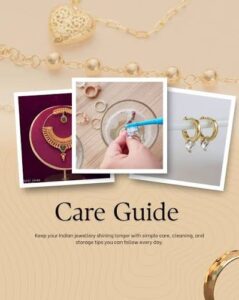
care and maintenance guide Fine jewelry is more than just a beautiful accessory; it is an extension of your personality, a repository of cherished memories, and a valuable financial asset. Whether you own a sparkling natural diamond engagement ring, a classic 22K solid gold heirloom bangle, or a delicate strand of freshwater pearls, these pieces are designed to last for generations. However, their longevity depends heavily on how well you care for them.
Over time, everyday exposure to skin oils, sweat, cosmetics, dust, and pollution can dull the brilliance of your gemstones and tarnish your precious metals. Fortunately, with the right knowledge, keeping your jewelry looking brand new is simple.
This comprehensive guide covers everything you need to know about professional at-home cleaning methods, proper storage, preventative maintenance, and protecting your precious collection from damage.
1. The Golden Rules of Everyday Jewelry Preservation is care and maintenance guides
care and maintenance guide is the first line of defense against jewelry wear and tear. Incorporating a few simple habits into your daily routine will drastically reduce the need for deep cleaning or expensive repairs.
-
- The “Last On, First Off” Rule: Always make jewelry the very last thing you put on in the morning and the first thing you take off at night. Apply your lotions, perfumes, hairsprays, and makeup before putting on your jewelry. The chemical residues from beauty products create a film over diamonds and gemstones, trapping dirt and blocking light from reflecting through the facets.
- Remove Before You Sweat: Take off your fine jewelry before hitting the gym, playing sports, or doing heavy household chores. Physical impacts can bend gold prongs, loosen settings, or scratch metal surfaces. Additionally, the salt in human sweat can dull certain metals over time.
- Steer Clear of Harsh Chemicals: Never wear your jewelry while swimming in a pool, relaxing in a hot tub, or cleaning the house. Chlorine, bleach, and strong detergents can chemically attack gold alloys, causing stress corrosion cracking that permanently weakens the structural integrity of your rings and bracelets.
2. care and maintenance guide at-Home Cleaning: Safe and Simple Step-by-Step Methods
You do not need industrial machinery to restore the radiant sparkle of your jewelry. In fact, many commercial cleaners contain harsh chemical agents that can ruin fragile organic materials. Here are the safest ,care and maintenance guide expert-approved DIY cleaning methods for various jewelry categories.
Method A: Gold, Platinum, Diamonds, and Hard Gemstones
For: Solid gold/platinum pieces, natural diamonds, sapphires, and rubies.
-
- The Soak: Fill a small bowl with warm (not hot) water and add a few drops of mild, fragrance-free dish soap. Let your jewelry soak for 15 to 20 minutes to loosen trapped oils and dirt.
- The Scrub: Take an extra-soft toothbrush (infant toothbrushes work perfectly) and gently brush the jewelry. Pay close attention to the underside of the gemstone settings, where grime tends to accumulate.
- The Rinse: Rinse the piece thoroughly under clean, lukewarm running water. Crucial safety tip: Always plug your sink drain before rinsing!
- The Dry: Pat the jewelry dry using a clean, lint-free microfiber cloth. Avoid using paper towels or tissues, as their fibers can leave micro-scratches on polished metal.
Method B: The Fragile and Organic Category
For: Pearls, opals, emeralds, and turquoise.
Porous, organic materials require extreme caution. Emeralds, for instance, are naturally treated with surface oils to improve clarity; soaking them in soapy water or using ultrasonic cleaners will strip these oils away, leaving the stone looking cracked and cloudy. Pearls can easily lose their lustrous nacre if exposed to acids or abrasion.
-
- The Rule: Never soak these items. Instead, dip a clean, ultra-soft makeup brush or microfiber cloth into lukewarm water mixed with a microscopic drop of gentle soap. Wring it out so it is barely damp, and gently wipe down the pearls or gemstones. Wipe away any soap residue with a cloth dampened only with fresh water, and lay the jewelry flat on a dry towel to air-dry completely before storing.
3. The Art of Smart Storage: Avoiding Scratches and Tarnish
Throwing all your jewelry loosely into a single drawer or dish is a recipe for disaster. Diamonds are the hardest natural substance on earth, meaning a diamond ring can easily scratch another diamond, a soft gold band, a sapphire, or a pearl if they rub against each other.
Best Practices for Storage:
-
- Separate Compartments: Store every single piece of jewelry in its own designated slot, fabric pouch, or individual zip-lock baggie.
- Anti-Tarnish Fabric: Silver and lower-karat gold jewelry are prone to tarnishing when exposed to ambient moisture and air. Lining your jewelry box with anti-tarnish felt or tossing small silica gel packets inside your storage boxes will absorb excess moisture and keep your metals bright.
- Avoid Extreme Environments: Keep your jewelry boxes away from direct sunlight, radiators, or damp bathrooms. Excessive heat and dry air can crack opals and discolor pearls.
4. Professional Maintenance: When to Consult a Jeweler
While at-home maintenance keeps your jewelry looking pristine, certain aspects of long-term care require a professional touch. Think of these as a routine oil change for your most valuable assets.
-
- The Annual Prong Check: If you wear an engagement ring or statement gemstone ring daily, take it to a trusted professional jeweler at least once a year. They will examine the prongs under a microscope to ensure they haven’t bent, thinned out, or pulled away from the stone, preventing catastrophic gemstone loss.
- Rhodium Plating for White Gold: White gold is naturally an off-yellow color that is coated in a rare metal called rhodium to give it its brilliant, mirror-like white shine. Over time, this plating naturally wears off, exposing the warmer gold underneath. Plan to have your white gold jewelry professionally re-plated every 12 to 24 months to restore its icy luster.
- Restringing Pearls: The silk thread used to string classic pearl strands naturally stretches, weakens, and absorbs oils over time. If you wear your pearls frequently, have a professional jeweler re-string them every two years. Ensure they tie individual knots between each pearl so that if the string breaks, you only risk losing a single pearl rather than the whole strand.
Summary Checklist for Long-Lasting Jewelry Brilliance
Bookmark this quick-reference guide to ensure your fine jewelry remains flawlessly preserved:
-
- Put your jewelry on after applying perfume, lotion, and makeup.
- Keep pieces entirely away from chlorine pools, hot tubs, and bleach cleaners.
- Never soak porous or oil-treated stones like emeralds, pearls, and opals.
- Use an extra-soft toddler toothbrush and mild dish soap for hard gemstones.
- Store your items in separate pouches or slots to eliminate metal-on-metal scratches.
- Visit a jeweler once a year for a structural prong inspection.
By treating your fine jewelry collection with the respect and mindfulness it deserves, you preserve its pristine physical beauty, safeguard its financial value, and ensure it remains a sparkling heirloom ready to tell your story to the next generation.